Understanding Shadow Effects

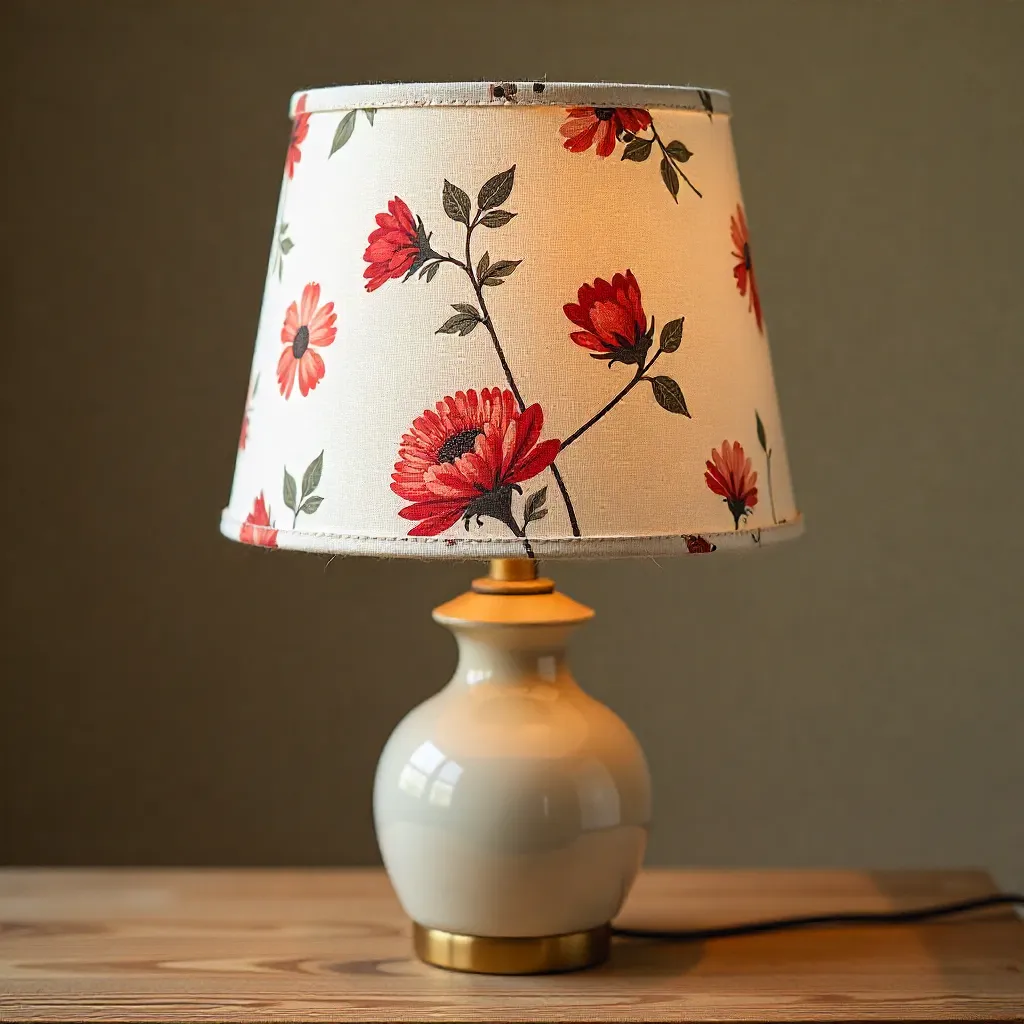
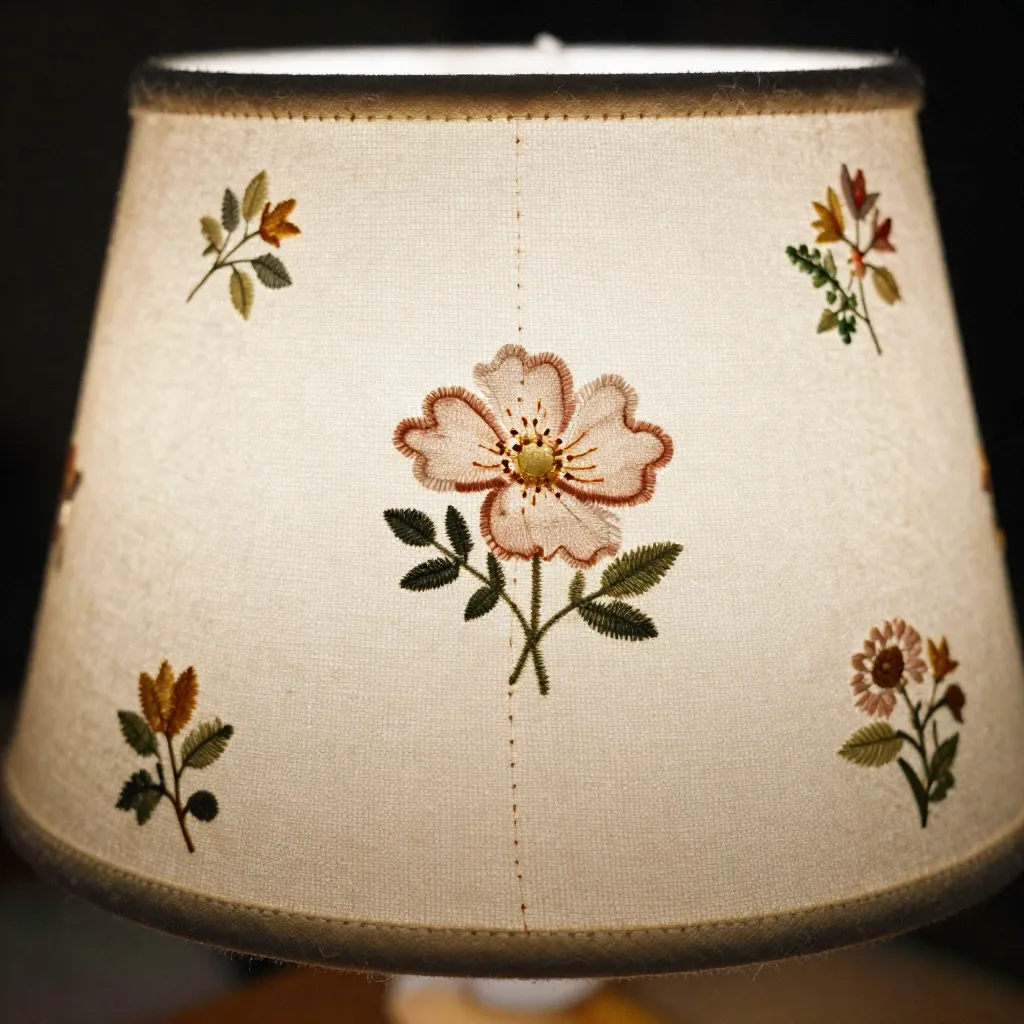
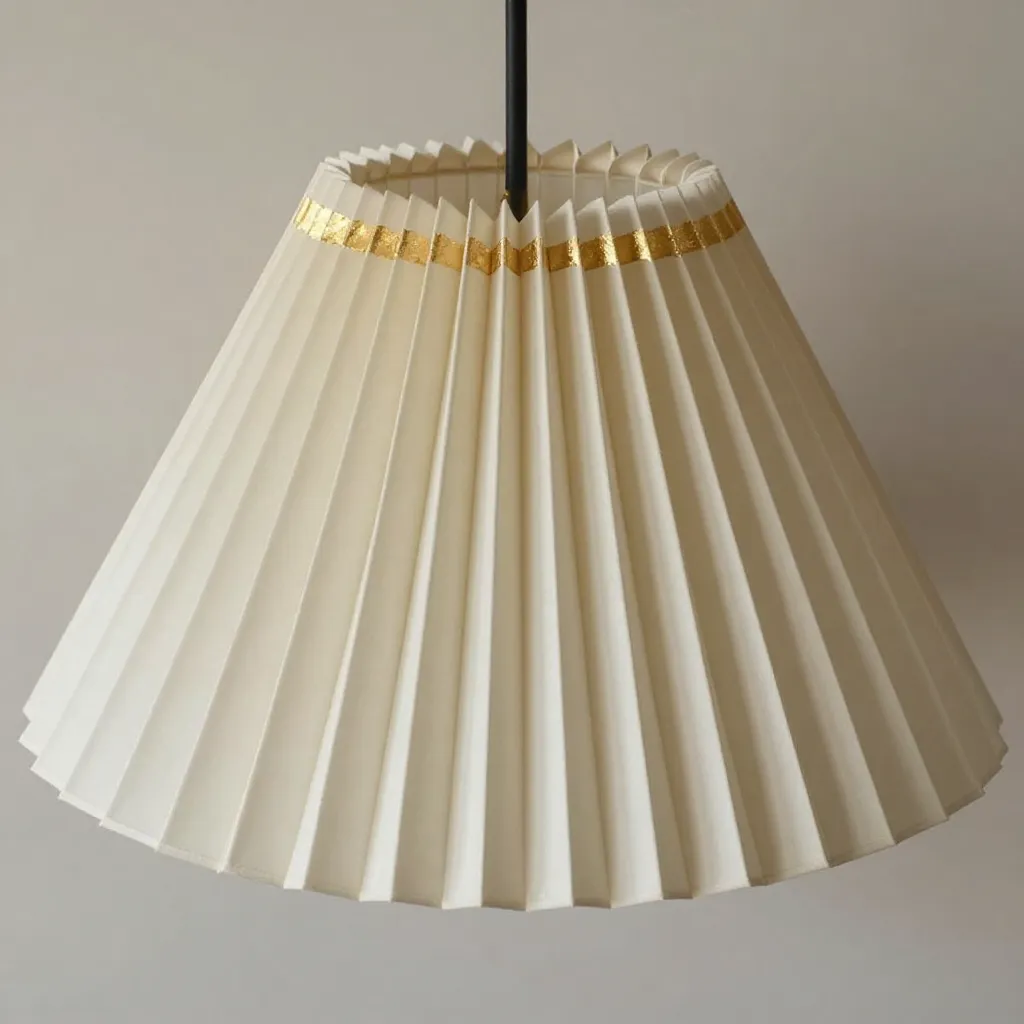
When light passes through a lampshade, the material and pattern determine how shadows are cast onto surrounding surfaces. Different textures and densities create distinct shadow characteristics.

Dense materials produce sharper, more defined shadows, while lighter, more translucent materials create softer, diffused shadow effects. Pattern complexity influences the shadow's visual interest and detail.
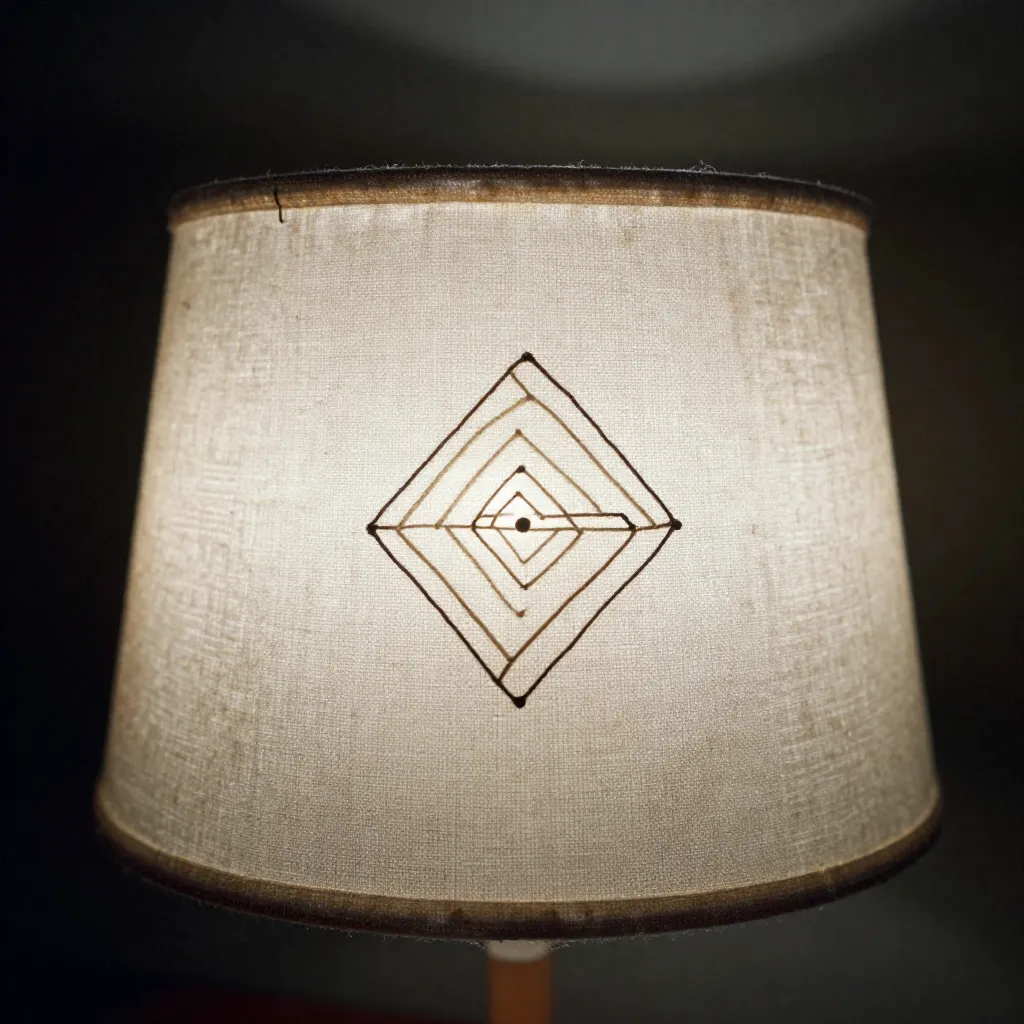
Shadow effect demonstration

Atmospheric Impact

Atmospheric lighting effect

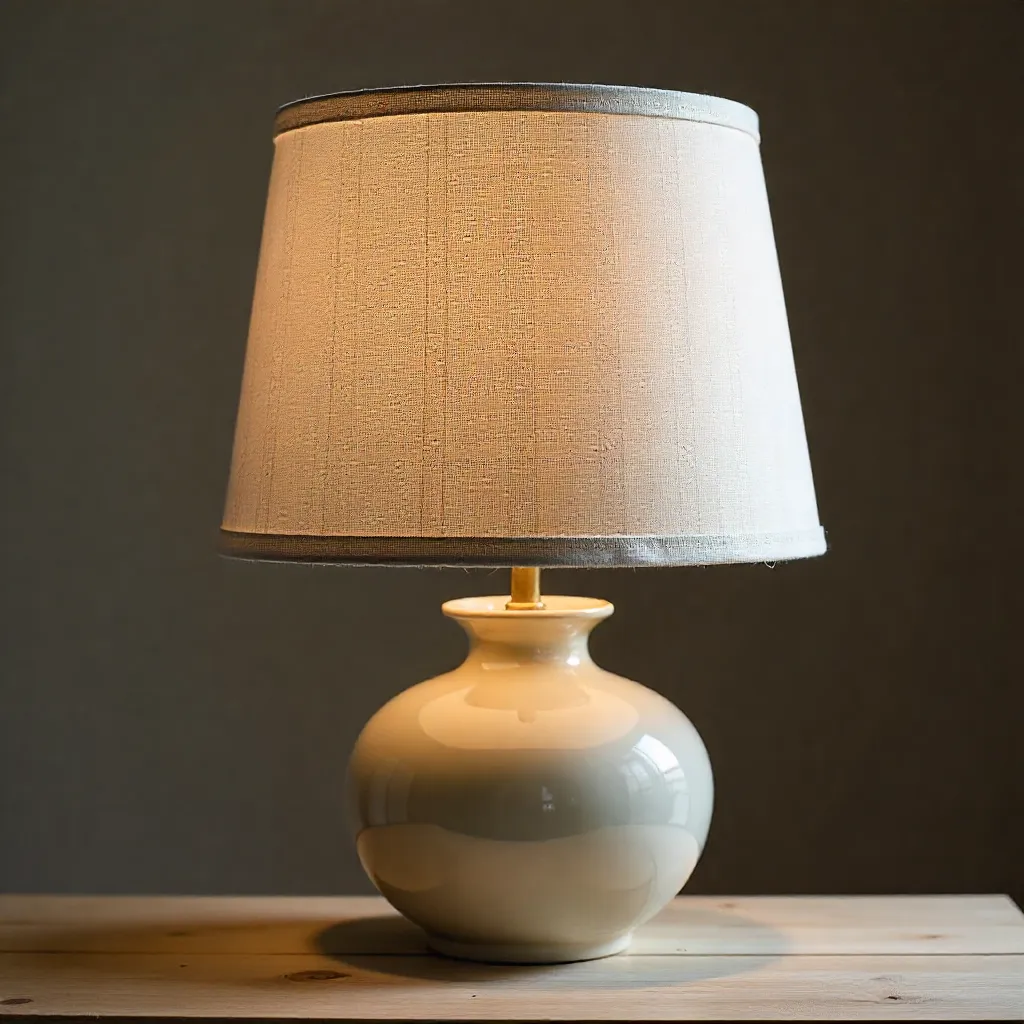
The interaction between lampshade design and shadow projection significantly influences room atmosphere. Strategic design choices can create environments ranging from intimate and cozy to dramatic and dynamic.

By understanding these relationships, we can design lampshades that not only provide functional illumination but also contribute to the overall aesthetic and mood of your space.

Design Considerations

When planning a custom lampshade, consider how shadow patterns will interact with your room's architecture, wall colors, and furniture placement. These factors influence the overall visual impact.

We can create design mockups and provide guidance on how different material and pattern choices will affect shadow characteristics in your specific environment.

We use cookies to enhance your browsing experience and analyze site traffic. By continuing to use this site, you consent to our use of cookies.