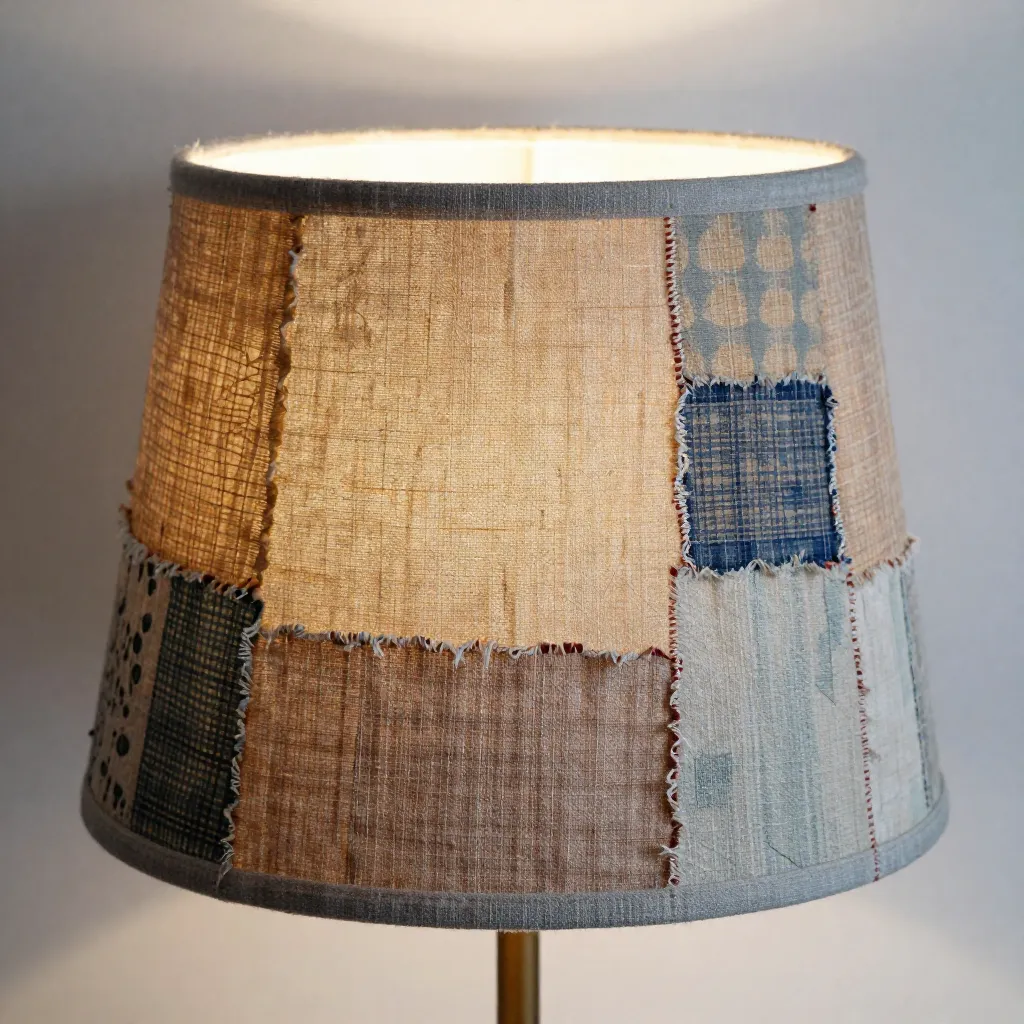
Material Performance Report

Analysis Date:

Light Transmission Levels

Light transmission is measured as the percentage of light that passes through a material. Higher transmission values indicate more light output, while lower values create more diffused, ambient lighting.

Material Type Transmission % Diffusion Level
Natural Fabric (Light) 65-75% High
Natural Fabric (Dense) 40-50% Medium
Specialty Paper (Thin) 55-65% Medium-High
Specialty Paper (Thick) 30-40% Low-Medium
Blended Material 45-60% Variable

Heat Resistance Specifications

Materials are tested for thermal stability under standard incandescent and LED lighting conditions. Heat resistance ensures material integrity and safety during extended use.

Material Type Max Operating Temp Thermal Stability
Natural Fabric 150°F (65°C) Stable
Specialty Paper 140°F (60°C) Stable
Blended Material 145°F (63°C) Stable

Durability Metrics

Durability testing evaluates material resistance to wear, fading, and structural degradation over time. Results inform material selection for different applications.

Fabric Materials: High durability with proper care. Resistance to fading varies by dye type and exposure conditions.

Paper Materials: Moderate durability. Performance depends on thickness and protective treatments.

Blended Materials: Durability characteristics combine properties of component materials.

Material Selection Guidelines

Material selection should consider intended use, light source type, and desired aesthetic effect. Technical specifications provide baseline information, but application context influences final decisions.

Consultation helps match material properties with project requirements. We evaluate factors such as room size, fixture type, and lighting goals to recommend appropriate materials.
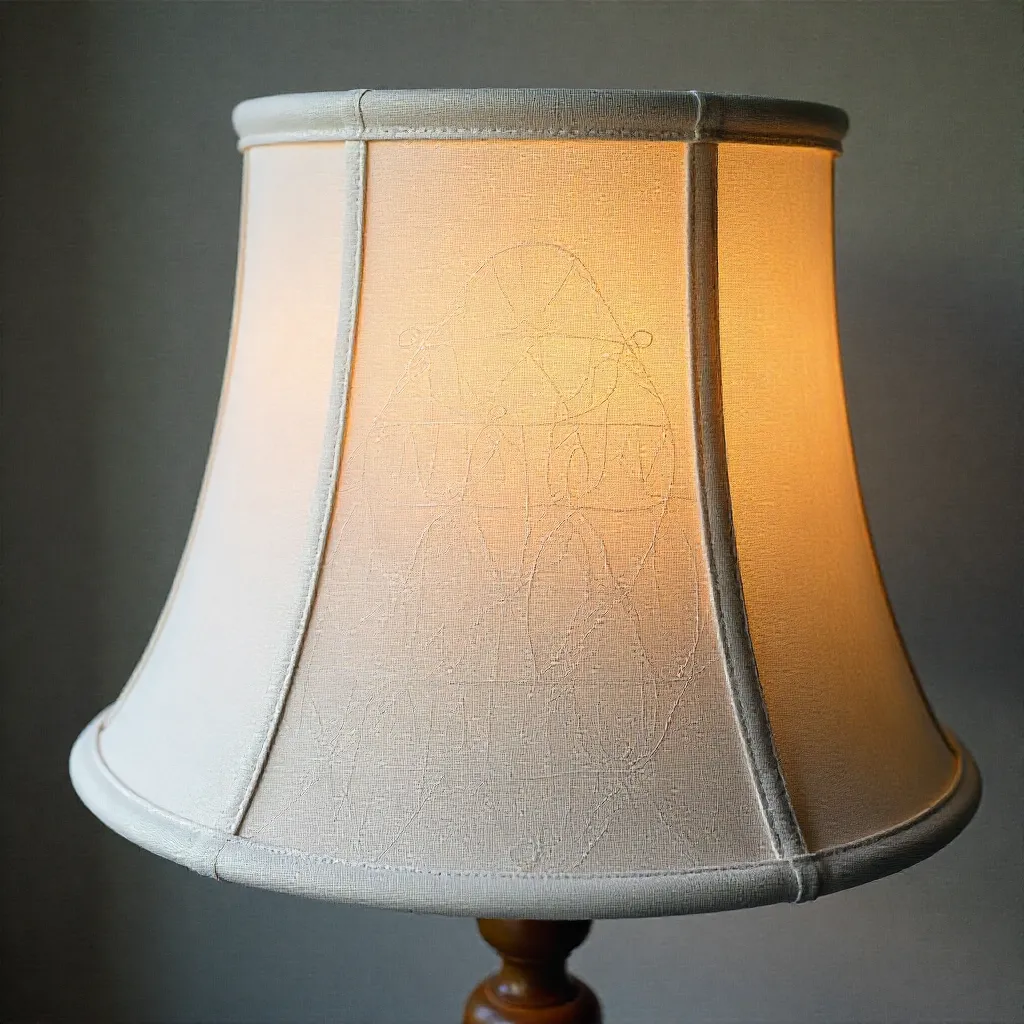
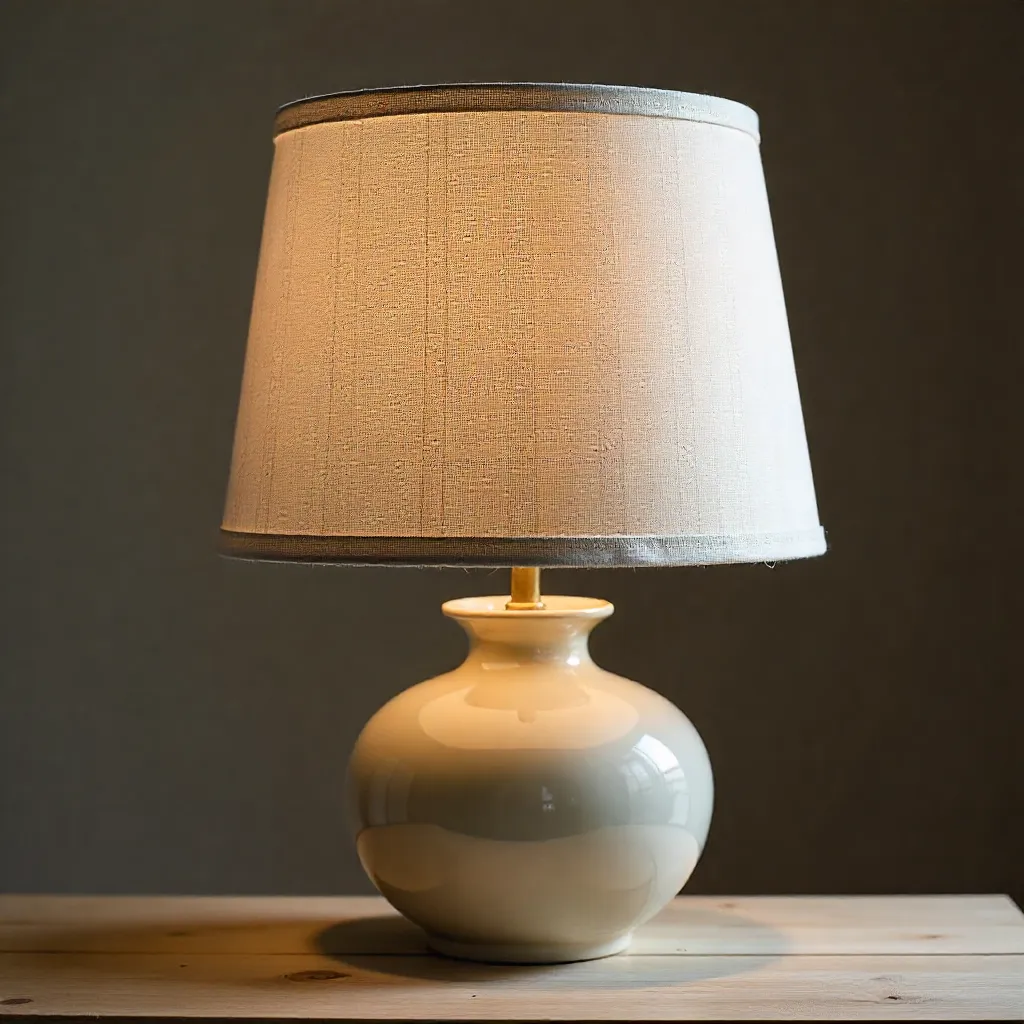
Material testing and analysis

Testing Methodology

Material testing process

Testing procedures follow industry standards where applicable. Light transmission is measured using calibrated equipment under controlled conditions.

Heat resistance testing involves exposure to standardized heat sources for extended periods. Durability evaluation includes accelerated aging tests and real-world condition simulations.

We use cookies to enhance your browsing experience and analyze site traffic. By continuing to use this site, you consent to our use of cookies.